
Learning Beyond the Classroom
Real-World Innovation Programs
Today’s students want more than content – they want context.
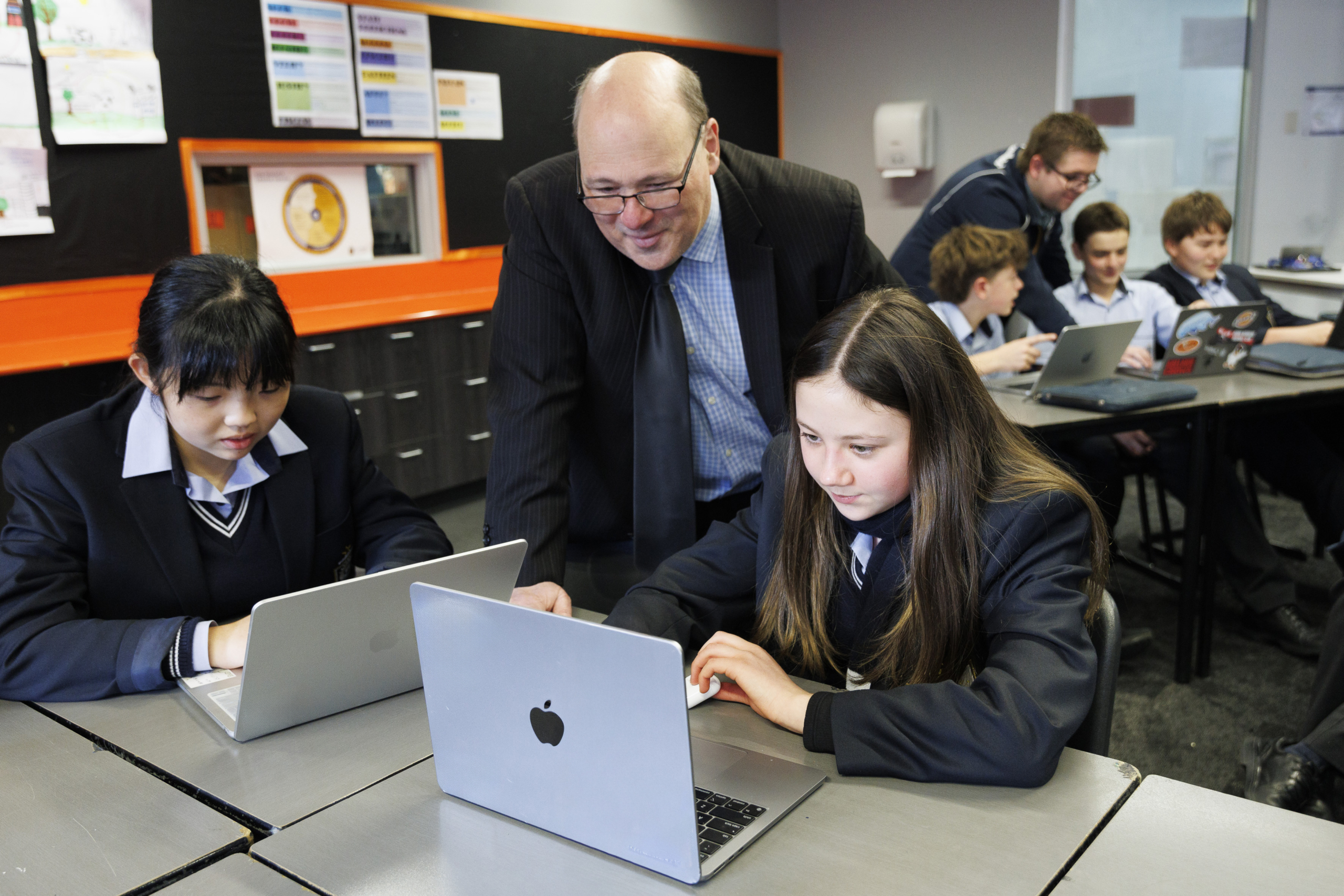
Damien Meunier, School Innovation & Learning Centre Manager, speaks with The Age – Innovation in Education about how Caulfield Grammar School is offering authentic, hands-on learning experiences through practical labs, entrepreneurship hubs, industry mentoring, real-world innovation projects and community involvement.
Schools are increasingly using connections to their community and utilising external expertise to give their students a head-start on their career journey. By linking with innovative employers and community organisations beyond the school gate, students are gaining crucial experience, developing skills such as resilience and self-confidence, and getting a broader perspective on their education.
Students are also building their own networks, while even using these opportunities to secure qualifications in trades that will help them take their early steps on their work journey. And employers are seeing the benefits of building their understanding of the next generation of young people who will soon take their place in the workforce.
“We’re responding to the changing landscape of the world,” says Damien Meunier, School Innovation & Learning Centre (SILC) Manager.
“We’re making things more real and applied for the students so they can see the potential pathways – it’s not just all about the ATAR anymore. Now, more and more, they’re looking to earn credentials, or developing a portfolio to get into certain courses at university or to go down certain pathways.
“We recognise that, so we’re providing opportunities that equip our students with those skills and that knowledge, but also potentially certifications that they might need to go down those pathways.”
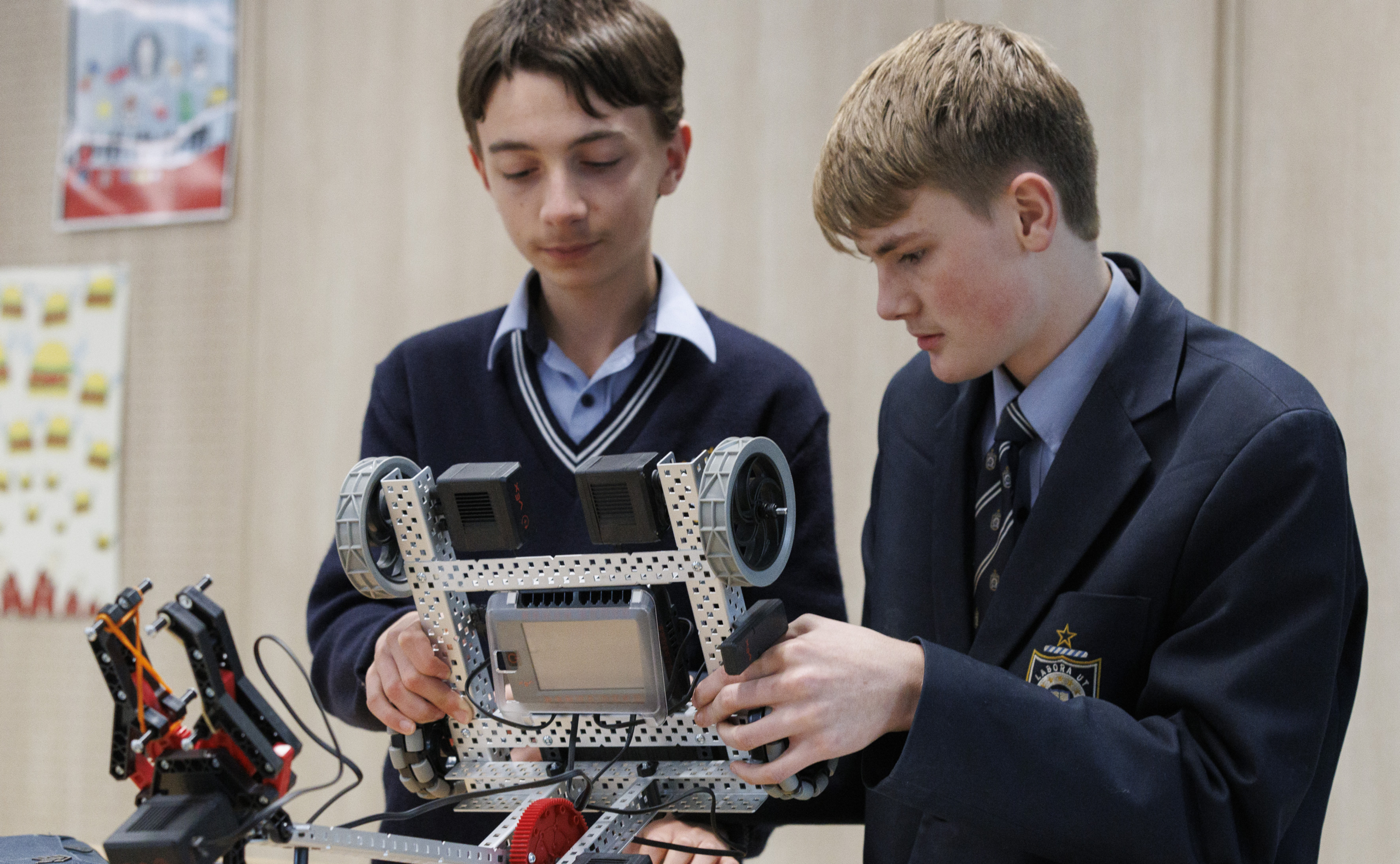
To do this, Caulfield Grammar is utilising its connections with a range of employers and groups to enable its students to see the world beyond the classroom. This has recently included connecting students to innovators such as the entrepreneurial firms HEX and Sport Tech College through its SILC programs at the new Shelford Campus.
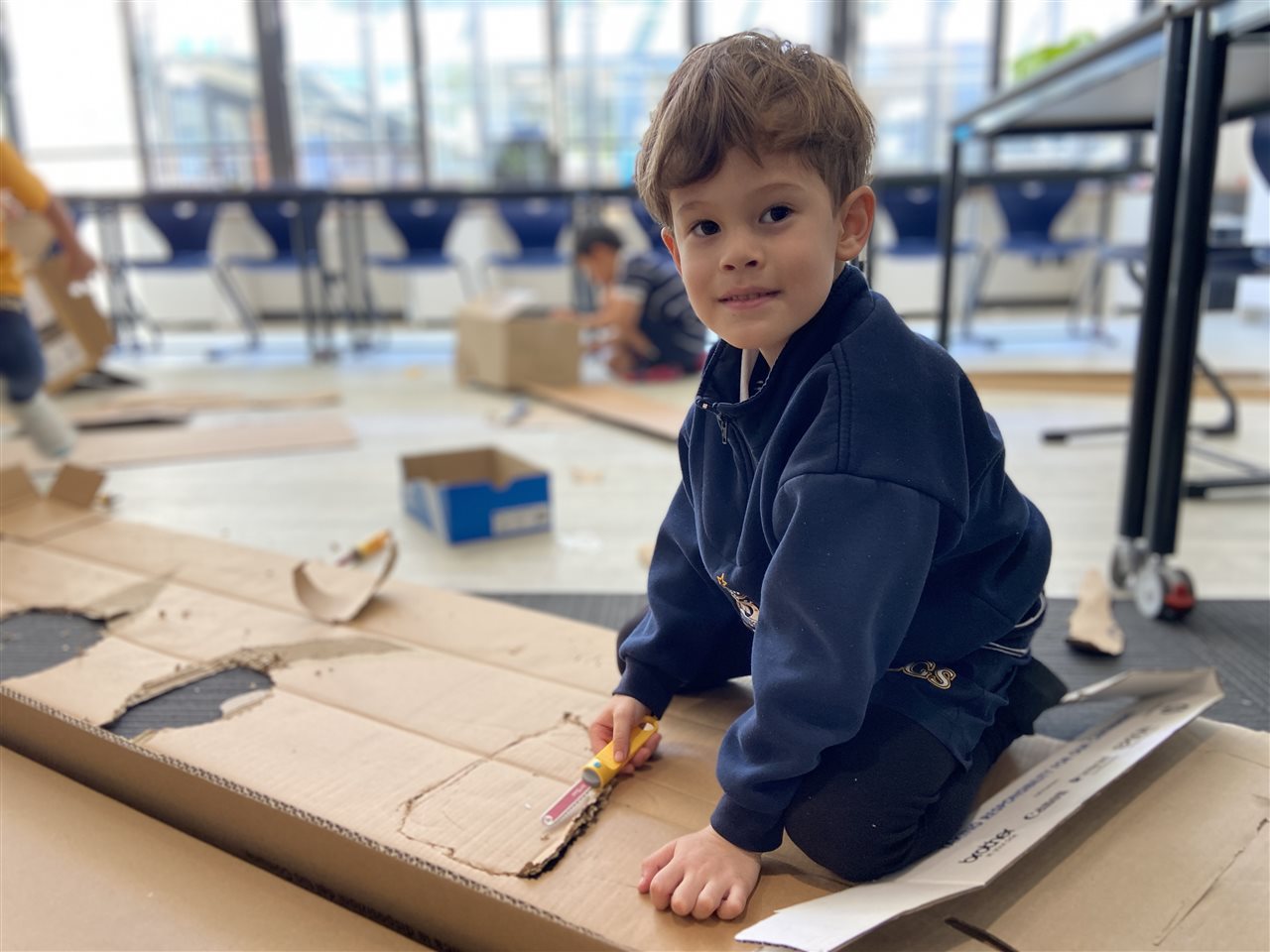
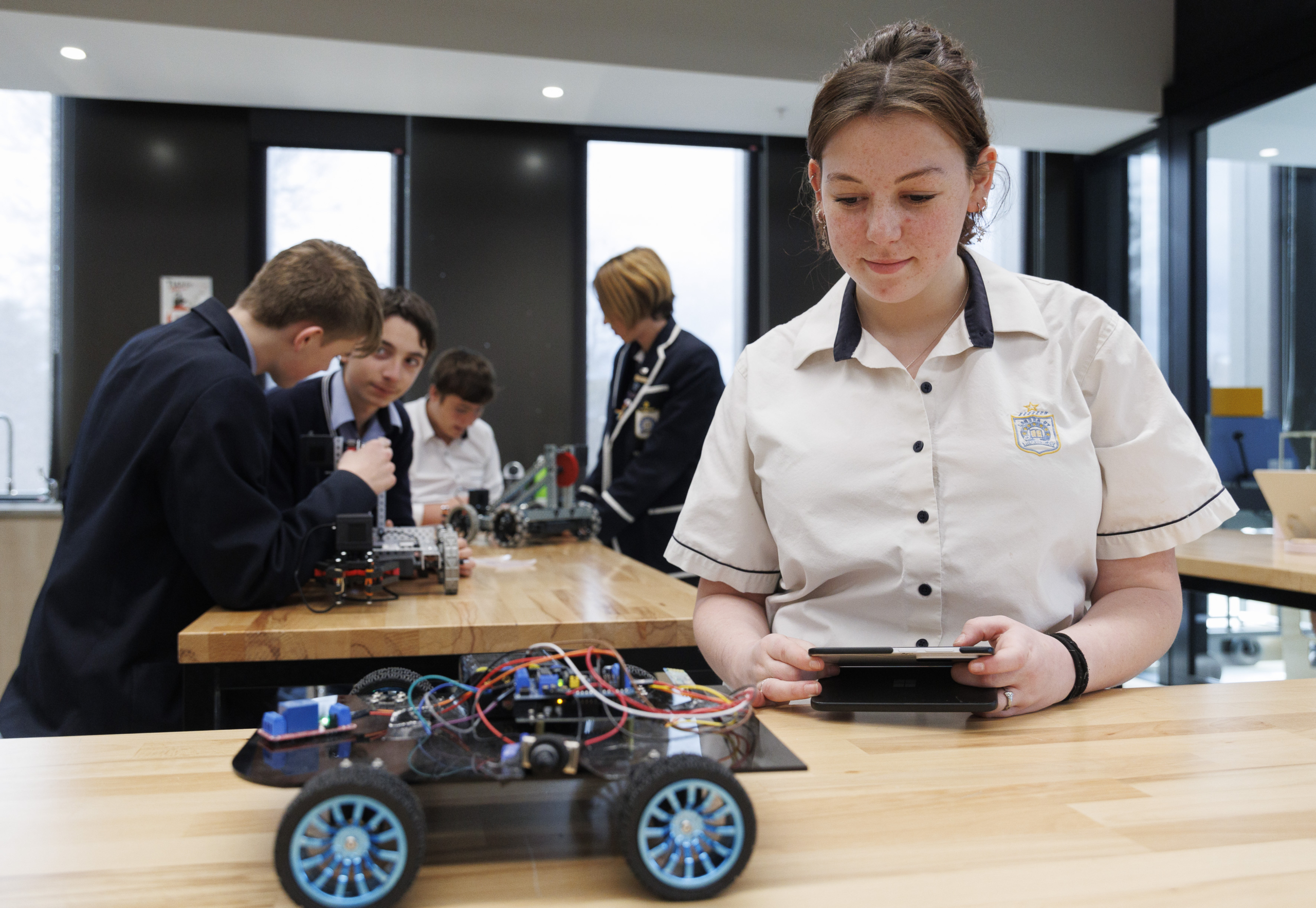
SILC has been a hive of activity over the past couple of months, welcoming Junior School students from Malvern and Wheelers Hill campuses for a series of hands-on, future-focused learning experiences.
From Tiny Tinkerers exploring the wonders of experimentation in Prep to Matter Manipulators investigating the science of change in Year 6, students have been immersed in programs designed to spark creativity, curiosity and problem-solving.
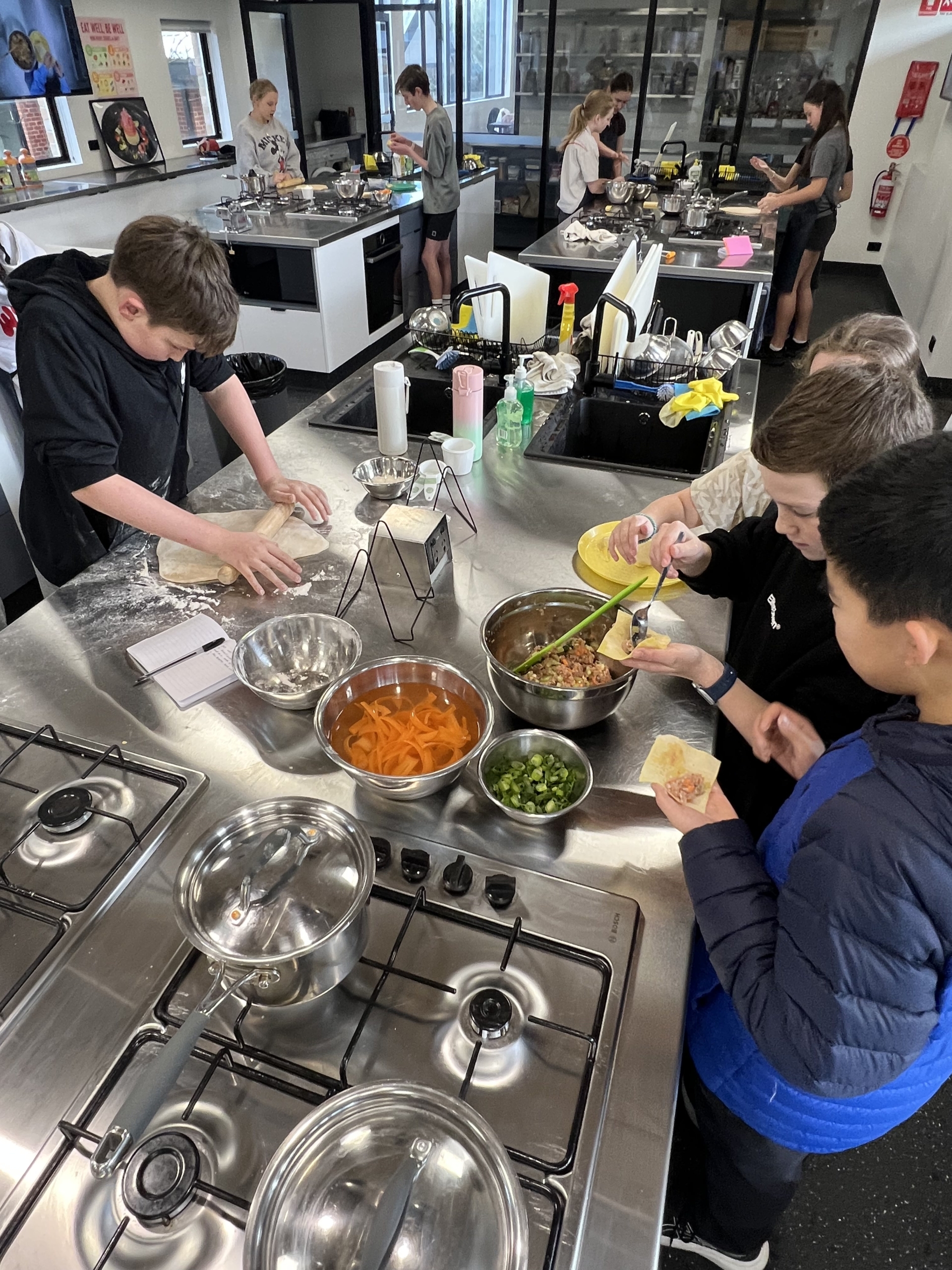
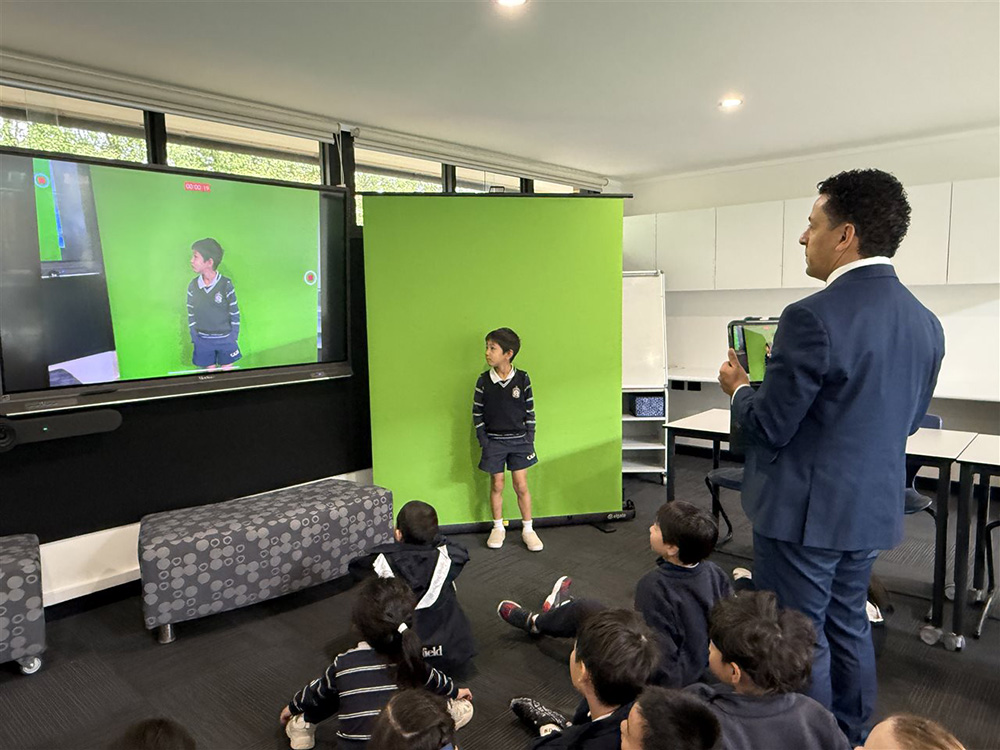
Across the sessions, students made great use of the campus’s facilities – flying drones, filming with green screens, and cooking up ideas (and recipes!) in the state-of-the-art kitchen.
The challenge is finding ways to balance these types of opportunities with the demands on students that already exist, whether that’s in the classroom or when sport, artistic pursuits, volunteering and part-time work are all competing for attention and time.
“At Caulfield Grammar School academic achievement and growth is a key focus, but we also believe that a truly well-rounded education extends beyond the classroom. Our extensive extra- and co-curricular programs complement our academic offerings, providing students with diverse opportunities to explore their passions, develop new skills, and grow as confident, capable individuals,” says Damien.
“So the question is: how do we create genuine time and space for our students, rather than simply adding more onto their already full schedules? With demanding timetables and busy lives beyond school, we have to be intentional about this. It’s a challenge we’re actively working through, finding ways to meaningfully recognise and value these programs, because they don’t just enrich our students’ school experience, they help prepare them for the futures they’ll step into.”