
Boarding Life – More than just a School
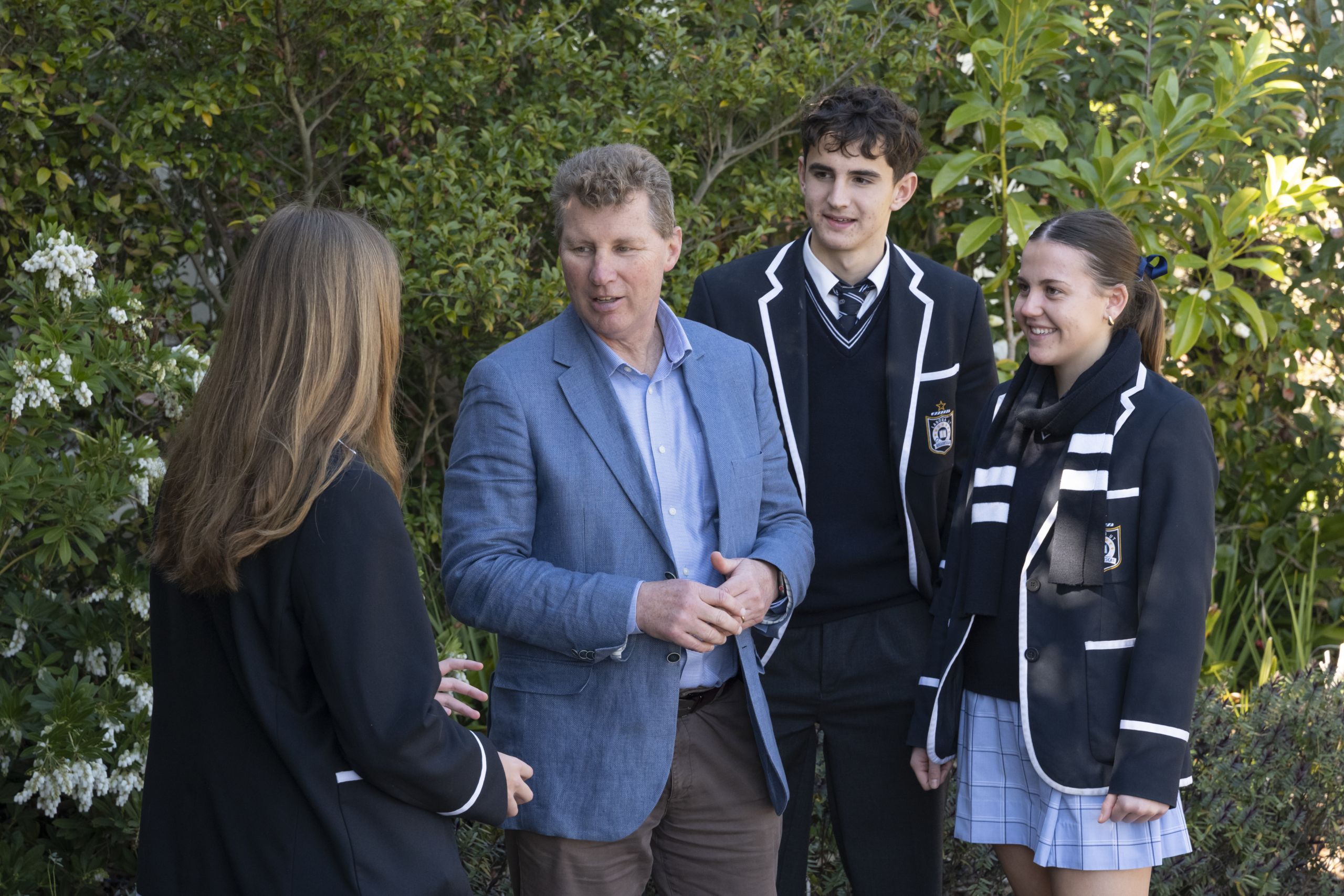
Our Head of Boarding chats with 'The Weekly Times'
The Weekly Times chatted with Tim Gallop, Head of Boarding, about how boarding at Caulfield Grammar School provides an environment where students feel known, supported and challenged to grow.
For many rural and regional families, boarding school is about far more than distance. It’s about access: to opportunity, to community and to the kind of growth that helps young people step confidently into the future while staying closely connected to home.
At Caulfield Grammar School, that broader purpose sits at the heart of boarding life. Through the school’s Mind for Life philosophy, boarding is designed not simply as accommodation, but as an environment where students develop the character, capability and perspective to thrive at school and beyond.
“Boarding today is not about simply providing a bed and meals,” says Tim Gallop, Head of Boarding. “It’s about creating an environment where young people feel known, supported and empowered to thrive.”
For boarders, the school day does not end with the final bell. Learning continues through community living, evening study, house activities and the everyday interactions that help students develop self-reliance, life skills and strong relationships.
“Our goal isn’t simply to help students succeed at school,” Tim says. “It’s to help them develop the confidence, character and capability to succeed in life.”
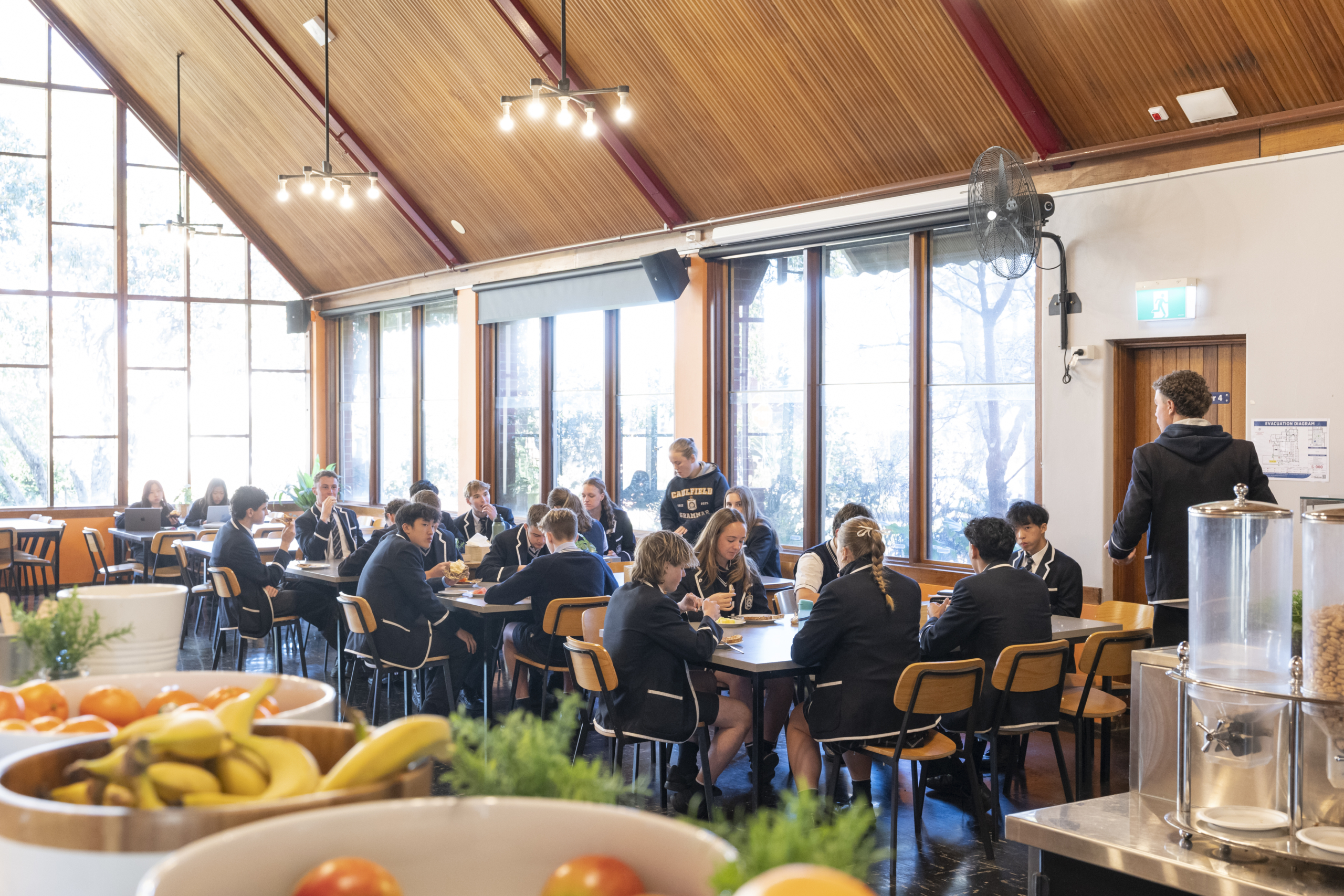
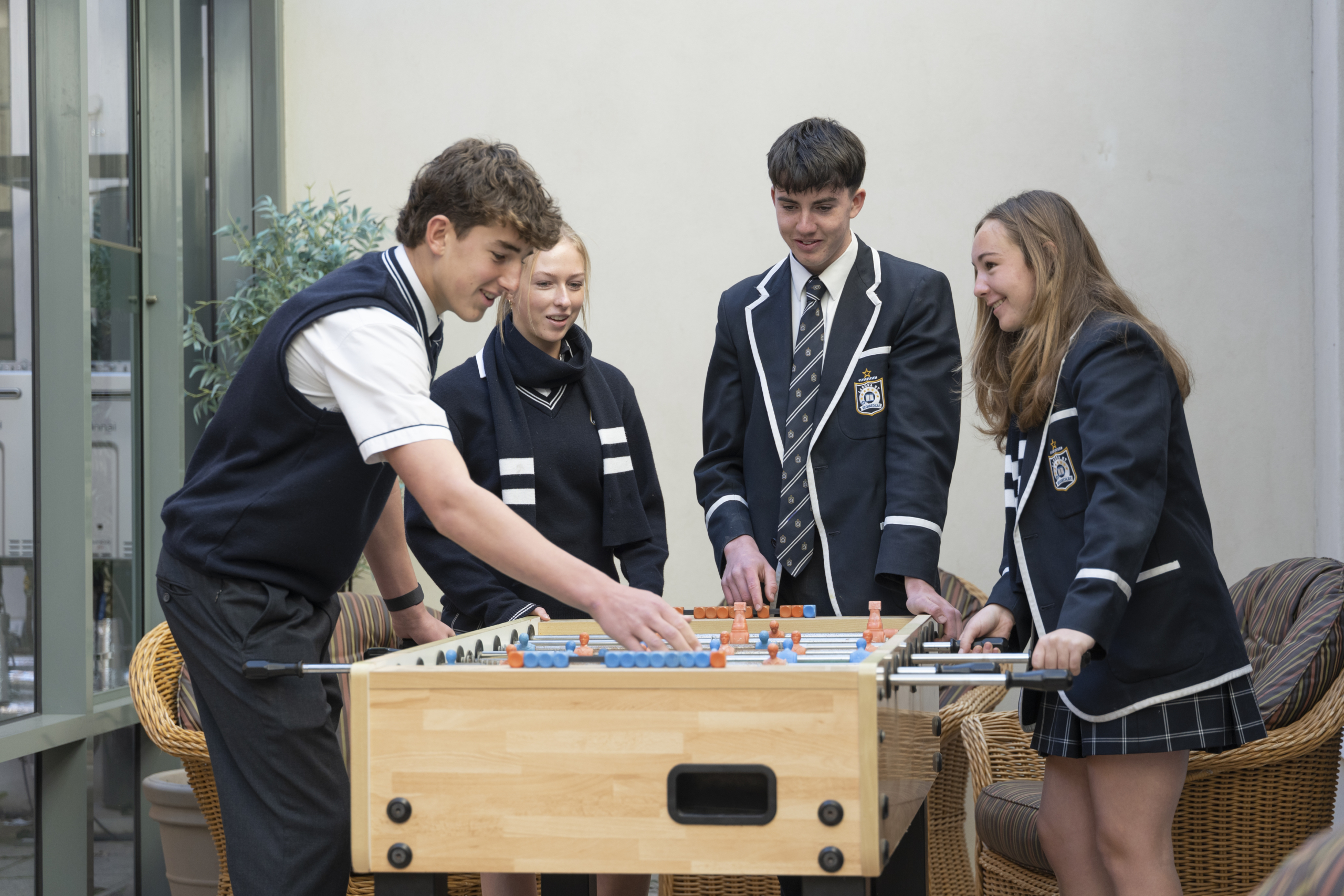
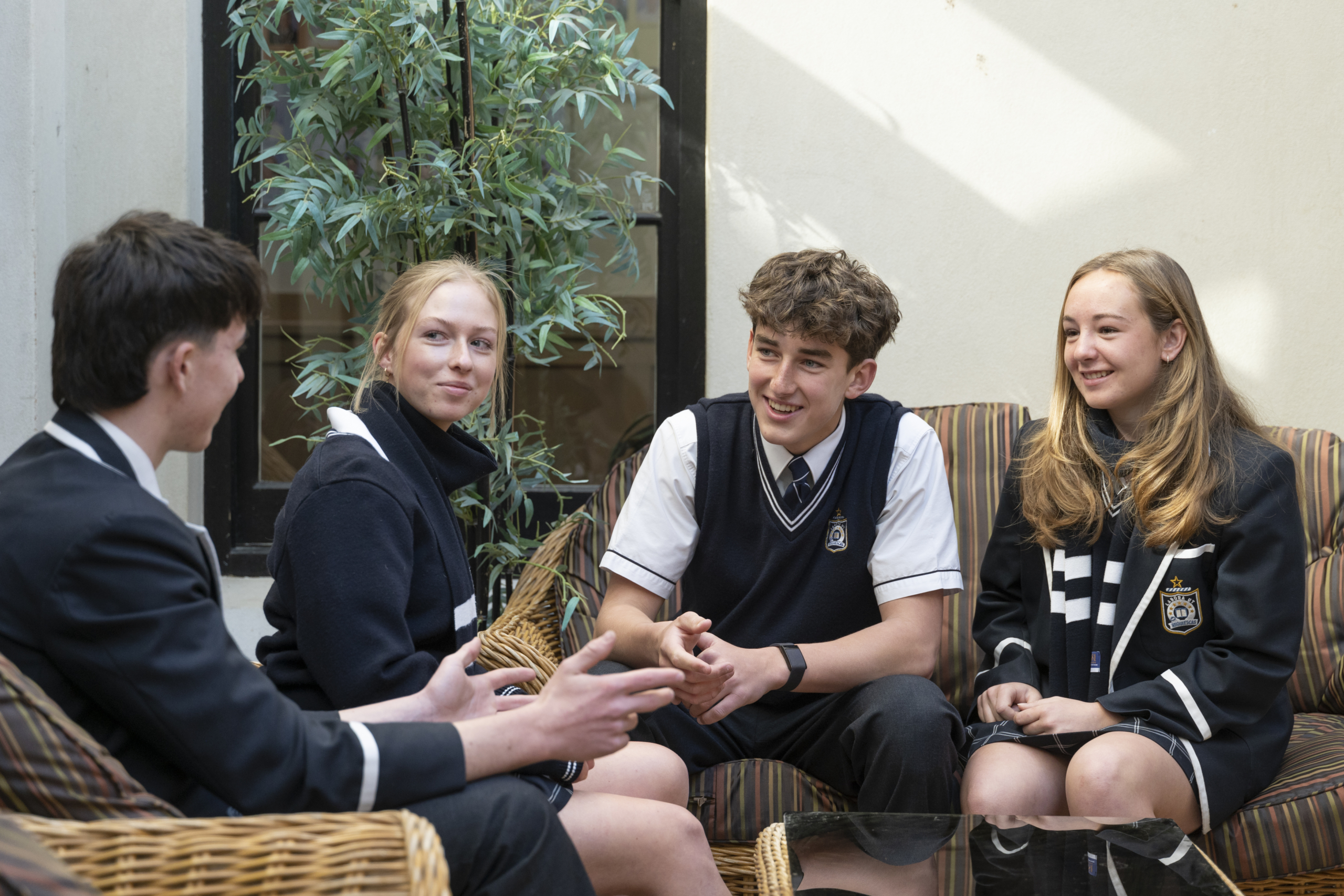
At Morcom House, boarders build a sense of belonging through experiences that bring together students from different year levels, backgrounds and communities. Morning routines and shared meals create consistency, while supervised study blocks provide academic focus.
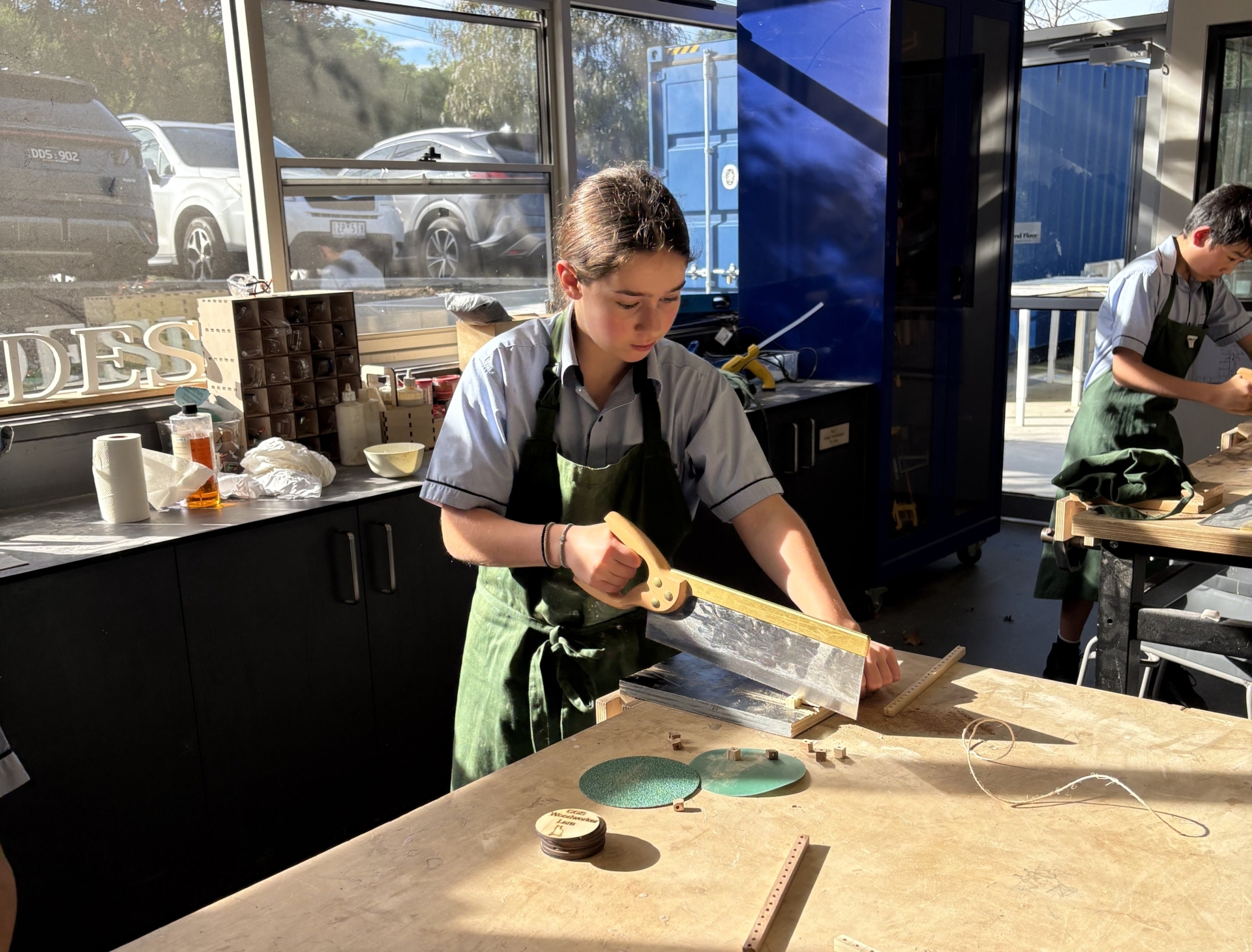
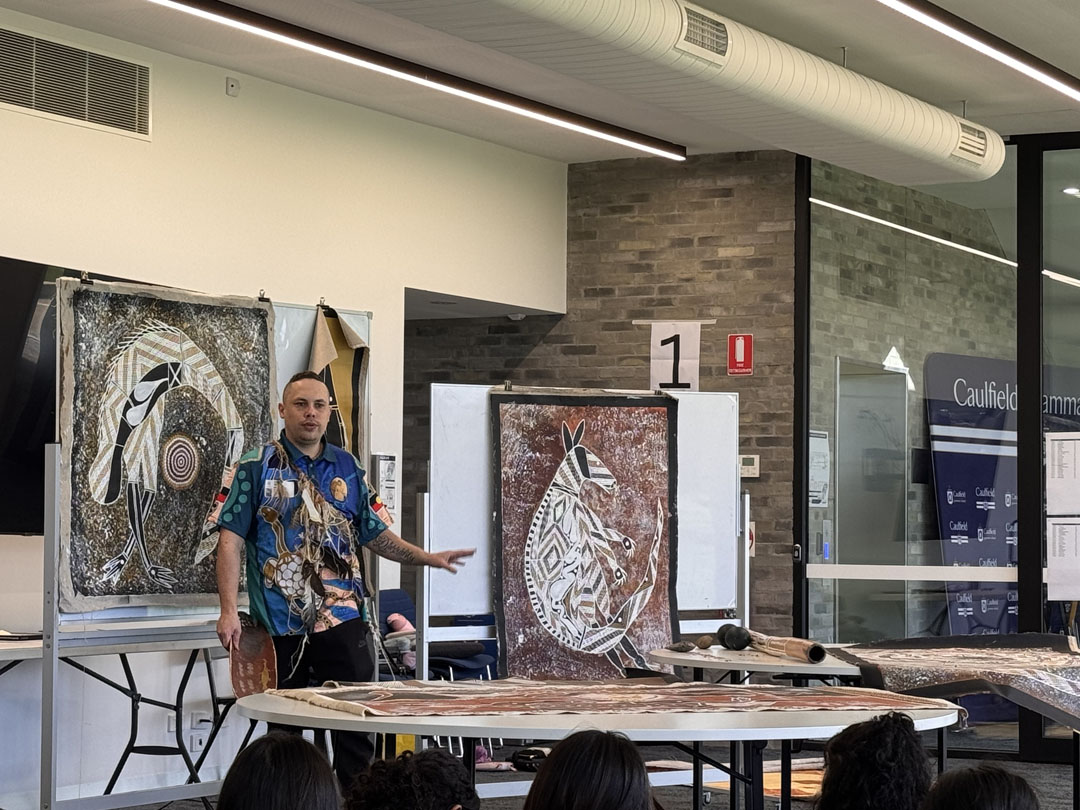
Around that, students are encouraged to immerse themselves in co-curricular life, from sport and music to performance, debating and leadership. In doing so, they learn to manage competing commitments, contribute to a team and take responsibility within a structured yet flexible environment.
Older students often step into mentoring roles, supporting younger boarders and helping foster a culture of care, leadership and shared responsibility.
For students from rural and regional areas, the transition into boarding is a major one, and Caulfield Grammar places strong emphasis on helping families through it. Welcome activities, peer mentoring and regular communication all help students adjust to school life in Melbourne while maintaining strong connections to home. Importantly, boarding builds on the strengths country students already possess: resilience, responsibility and a strong sense of community. Over time, many grow into confident self-leaders, learning to advocate for themselves, make informed decisions and take charge of their learning and wellbeing.
“Many families choose boarding because they want their child to access broader opportunities,” says Tim. “What they often tell us later is how much their child has grown in confidence, independence and maturity.”